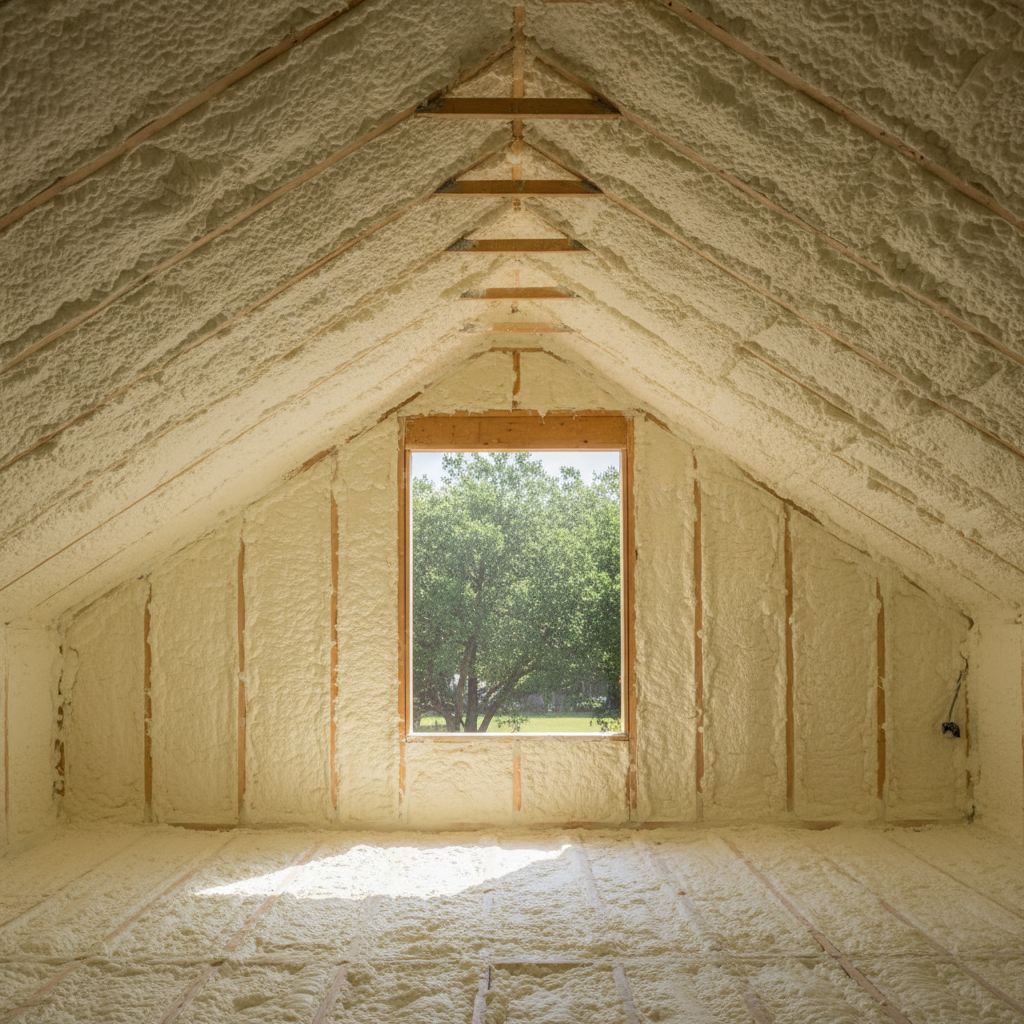
Alright, let's talk open cell spray foam. It's a fantastic insulation option, especially for homes here in DeSoto, but like any big home improvement, timing and conditions matter. You want to get the most out of your investment, right? So, I'm going to lay out what I've seen over the years regarding when to schedule, what weather can throw a wrench in things, and how to keep that foam doing its job.
When's the Best Time to Schedule Open Cell Spray Foam?
Honestly, the best time to get open cell spray foam installed is usually during the milder parts of the year. Think spring or fall. Why? Well, it's not just about our comfort when we're up in your attic or crawl space. The material itself performs best when it's not battling extreme temperatures.
In the spring, after the last of those cold snaps but before the real summer heat kicks in, is ideal. The temperatures are consistent, usually in the 60s or 70s, which is perfect for the foam to cure properly. Same goes for the fall, once those brutal August and September temperatures finally start to back off. You'll avoid the rush of folks trying to get their AC or heating bills under control right when the weather hits its worst.
Can we do it in summer or winter? Sure, we can, but it might require a bit more planning or specific conditions, which brings me to my next point.
Weather Conditions That Affect the Job
This is a big one, especially in North Texas. Our weather can be all over the place. Here's what we're looking at:
- Temperature: Open cell spray foam has a sweet spot for application, usually between 40°F and 100°F. If it's too cold, the chemicals might not mix and expand correctly, leading to a less effective seal. If it's too hot, it can cure too fast, which also isn't ideal. We're talking about the temperature of the surfaces we're spraying, not just the air outside. That's why a 105°F DeSoto summer day means your attic might be 140°F, and that's a problem.
- Humidity: High humidity can sometimes affect the curing process. While open cell foam can handle a bit of moisture, excessive humidity can slow down the cure time or even impact the foam's density. We're always monitoring these conditions.
- Rain/Moisture: This is a no-brainer. We can't spray foam onto wet surfaces. If you've got a leaky roof or any moisture issues, those need to be fixed *before* we even think about spraying. We're not just talking about active leaks; even damp wood from a recent rain can cause problems. We'll always check for this before starting.
- Wind: Strong winds can make it tough to get an even application, especially in exposed areas. It can also carry overspray where it doesn't belong. We'll often use temporary barriers or reschedule if the wind is too high.
We're professionals, so we know how to work with these variables, but sometimes, rescheduling for a better day is just the smartest move for a quality job. We'd rather wait and do it right than rush it and have issues down the line.
Protecting Your Open Cell Spray Foam Investment Year-Round
Once that open cell foam is in, it's pretty low maintenance, but there are a few things you, as a homeowner, can keep an eye on to make sure it keeps performing for years.
- Avoid Physical Damage: This might sound obvious, but if you're up in the attic for any reason – maybe running new wiring, checking on HVAC ducts, or storing holiday decorations – be careful not to crush or tear the foam. It's durable, but it's not indestructible. If you do accidentally damage a small section, it's usually an easy fix. Give Omega Insulation a call, and we can patch it up.
- Keep it Dry: This is probably the most important one. Open cell foam is a fantastic air barrier, but it's not a vapor barrier. If you have a roof leak, plumbing leak, or any source of water getting into your attic or wall cavities, that water can saturate the foam. Not only does this reduce its insulating properties, but it can also lead to mold or mildew issues. So, regularly check your roof, especially after heavy storms, and address any leaks immediately. This is particularly crucial in areas like the older homes around the Hampton Road area, where roofs might be getting on in years.
- Don't Paint or Cover: Unless it's specifically designed for spray foam, don't paint over it or cover it with other materials. It's meant to be exposed in the attic or wall cavity.
- Ventilation (Where Applicable): If your open cell foam is part of an unvented attic assembly, then you don't need to worry about attic ventilation. But if it's in a different application, just make sure any necessary ventilation isn't blocked.
That's about it. Open cell spray foam is a great way to make your home more comfortable and energy-efficient here in DeSoto. Just a little bit of awareness about the installation process and some basic care afterward, and you'll be enjoying the benefits for decades.