Thinking Blown-In Insulation for Your DeSoto Home?
We need to talk about blown-in insulation for your home in DeSoto. Our summers here are very hot as well as our winters can get surprisingly cold. Good insulation is not just a luxury for homeowners in DeSoto. It is a necessity for your home. You have probably felt your air conditioner running all the time. You might also feel a draft even when your windows are closed. Many homes around DeSoto, especially those built before the 2000s, do not have enough insulation. These homes cannot handle our Texas weather conditions. That is where Blown-In Insulation comes in. Blown-In Insulation is a good way to improve your home's energy efficiency. It also keeps things comfortable. In addition, it will save you money on your utility bills.
What Exactly is Blown-In Insulation?
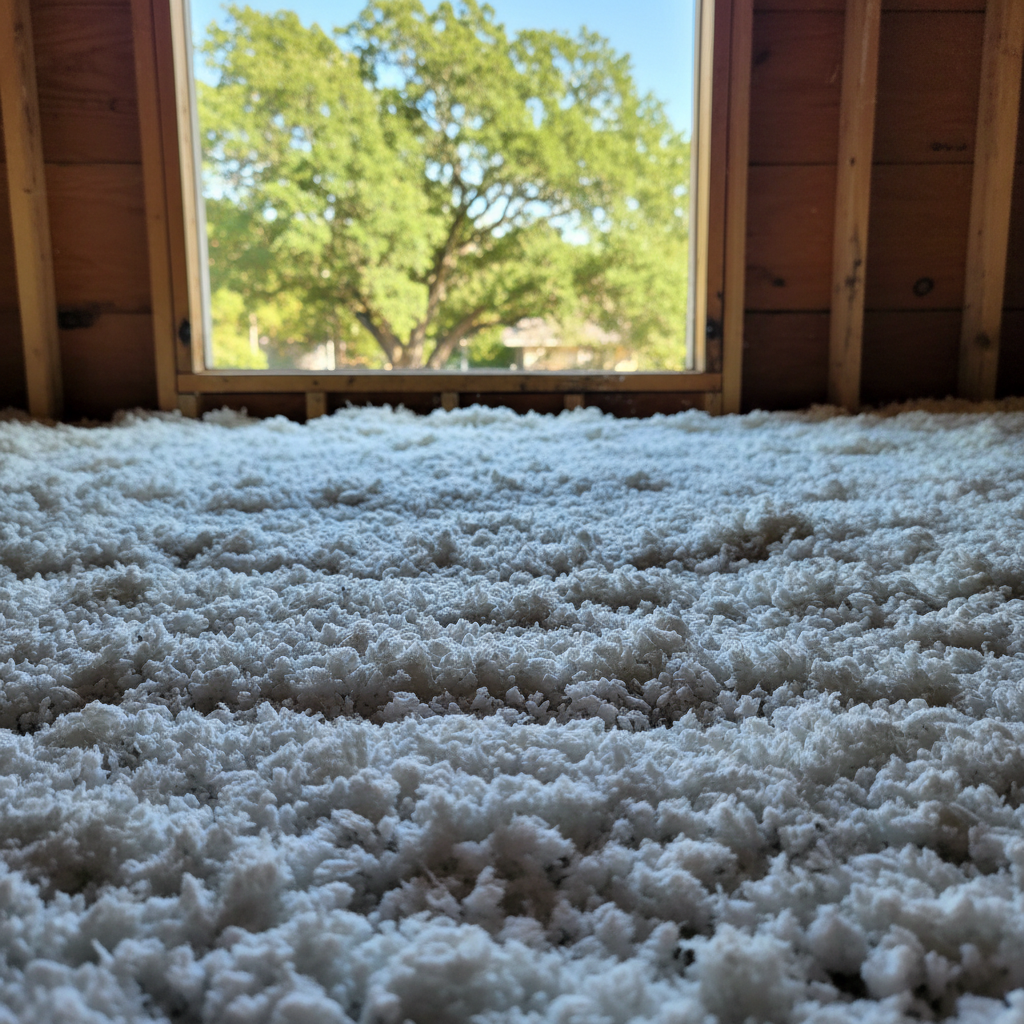
Blown-In Insulation is loose-fill material. This material is usually fiberglass or cellulose. We blow this material into your attic, as well as wall cavities, as well as other spaces. We use a special machine for this process. This material gets into all the small spaces. It fills in all the nooks as well as crannies as well as gaps. Other types of insulation might miss these areas. This means a better seal against air leaks. It also means better protection against heat transfer for your DeSoto home.
Fiberglass vs. Cellulose: What's the Deal?
You have two main choices for Blown-In Insulation:
- Blown-in Fiberglass: This insulation is made from tiny glass fibers. It is lightweight. It also resists moisture. This material does not settle as much over time compared to cellulose. Blown-in Fiberglass is also good at keeping pests away. Some people find it less dusty during installation compared to cellulose.
- Blown-in Cellulose: This insulation is mostly made from recycled paper products. This includes shredded newspaper. It is treated with fire retardants. Blown-in Cellulose is a denser material. This means it can offer a slightly higher R-value per inch than fiberglass. It is also good for sound dampening. This material is also a more eco-friendly option. This is because it uses recycled content.
Both types of Blown-In Insulation are effective. For a humid climate like ours in DeSoto, fiberglass's moisture resistance is a real plus. However, cellulose is treated to resist fire as well as insects. This is always good information to know for your DeSoto home.
Before You Start: The Prep Work
A little preparation goes a long way. This is true whether you do the work yourself or call a professional. This preparation is not just about making the job easier. It is about making sure your Blown-In Insulation works correctly. It also helps the insulation last a long time.
1. Check Your Current R-Value
R-value measures how well insulation resists heat flow. A higher R-value means better insulation. For attics in DeSoto, the current code minimum for new construction is R-38. DeSoto is in IECC Climate Zone 3A. Many older homes in DeSoto might only have R-11 to R-19. This is much lower than what your home needs. To reach R-38, you generally need about 11 to 15 inches of insulation. This depth depends on the material you choose.
2. Air Sealing is Important
Insulation slows down heat transfer. However, it does not stop air leaks. If you do not seal up gaps as well as cracks first, hot or cold air will bypass your new insulation. You will be wasting money on your energy bills. Look for openings around these areas:
- Plumbing vent pipes as well as electrical wires.
- Exhaust fan housings as well as ducts. Make sure these vent outside. They should not vent into the attic.
- Chimneys as well as flues.
- Attic hatches as well as pull-down stairs. These need to be insulated as well as weather-stripped.
Use caulk or spray foam to seal these up. This step is necessary for effective Blown-In Insulation in your DeSoto home.
3. Clear the Attic and Address Issues
Get rid of any junk in your attic. This includes old boxes as well as anything else that does not need to be there. If you have any water leaks, as well as mold, as well as pest issues, you must fix these first. Putting Blown-In Insulation over a wet area will cause bigger problems later on.
4. Do Not Block Vents!
Your attic needs to breathe. Make sure your soffit vents are clear. You also need baffles in place. These baffles prevent the Blown-In Insulation from blocking the vents. This ensures proper airflow. It also helps prevent moisture buildup in your DeSoto attic.
During the Project: DIY vs. Pro
This is where you decide if you will do the work yourself. You might also decide to call a professional for your Blown-In Insulation project.
DIY Blown-In Insulation: For the Handy Homeowner
You can do Blown-In Insulation yourself for an attic. It is generally considered a DIY-friendly project. This is true if you are comfortable working in tight, dusty spaces. You can rent the blowing machine from most home improvement stores. Sometimes they will even loan it to you for free. This happens if you buy enough insulation from them.
- Safety First: You will need safety goggles. You will also need gloves. A good mask or respirator is also important. You should also wear coveralls. Fiberglass dust can be irritating.
- Get a Helper: One person feeds the insulation into the machine downstairs. Another person is in the attic distributing it.
- Even Coverage: The goal is to get an even layer. This layer should reach the recommended R-value depth. Do not compress the insulation. Many insulation bags will have a coverage chart to help guide you.
- Obstacles: Create barriers around recessed light fixtures. They need about a 3-inch clearance. You also need barriers around your attic hatch. This keeps insulation from falling into your living space.
It is definitely cheaper upfront to do it yourself. However, it is a lot of work. You also risk improper installation if you are not careful with your DeSoto Blown-In Insulation project.
Calling a Pro: When It's Worth It
Omega Insulation is a contractor. We know the value of a good DIY job. We also know when to call in the experts. For Blown-In Insulation, especially in wall cavities, a professional is usually the best choice. This is also true for complex attics. You might also not have the time or desire to do the work yourself. Our team can help with your Blown-In Insulation in DeSoto.
- Expertise: Our professionals know the local codes. This includes the R-38 minimum for DeSoto. We know how to properly air seal. We also know how to get even coverage. We do this without compressing the material.
- Equipment: We have the right tools. These tools help us do the job efficiently as well as effectively.
- Wall Cavities: Blown-In Insulation in existing walls involves drilling holes. It also involves dense-packing the material. This is definitely a job for a professional.
- Time and Safety: Hiring us saves you a lot of time. You do not have to deal with the dust. You also avoid the heat. You also avoid potential safety hazards of working in an attic.
At Omega Insulation, we handle all the details. This includes the initial assessment. We also make sure of proper ventilation. In addition, we achieve that optimal R-value. Our team even helps with insulation removal. This is for old insulation that is contaminated or worn out.
After the Project: What to Expect
You should notice a difference quickly once the Blown-In Insulation is installed in your DeSoto home.
- Lower Energy Bills: This is the most important benefit. Your HVAC system will not have to work as hard. This is especially true during those long DeSoto summers. Many homeowners see a 10-30% reduction in energy costs.
- Improved Comfort: Your home will feel more comfortable. It will have fewer hot or cold spots.
- Reduced Noise: Blown-In Insulation, especially cellulose, can help dampen outside noise.
Maintenance for Your Blown-In Insulation
Blown-In Insulation is low-maintenance. However, here are a few things to remember:
- Keep it Dry: Insulation loses its effectiveness if it gets wet. Regularly check your attic for any leaks in the roof. Also check around pipes.
- Do Not Disturb it: Try not to move or compress the insulation if you are in the attic. Compression reduces its R-value.
- Ventilation Check: Periodically make sure those vent baffles are still clear. Also make sure nothing is blocking your attic ventilation.
- Pest Control: Some insulation types keep pests away. However, it is always smart to watch for any signs of critters in your attic.
Blown-In Insulation can last for decades. It can sometimes last 80-100 years. This is true if it is installed correctly. It also needs to be kept dry. It is an investment that pays off in comfort as well as savings. This is especially true in a place like DeSoto. Your HVAC system gets a real workout here. Getting your Blown-In Insulation right is one of the best things you can do for your home. This is true whether you do it yourself or bring in a team like Omega Insulation.